What if the secret to your child’s lifelong confidence was hidden in a single dental appointment before they even lose all their baby teeth? Many parents naturally assume that orthodontic care is a milestone reserved for the teenage years, yet the most impactful window for a first assessment actually arrives much sooner. If you are wondering when should a child see an orthodontist, the answer might surprise you. Much like how parents are encouraged to book early eye tests with Castle Opticians to support developmental health, leading specialists recommend an initial orthodontic visit by the age of seven. This isn’t about rushing into braces, but rather about monitoring growth with a gentle, watchful eye to ensure their adult smile has the space it needs to flourish.
It is completely understandable to feel a sense of hesitation, especially whilst worrying about lengthy NHS waiting lists or your child’s potential anxiety in a clinical setting. We believe that dental care should feel like a warm invitation rather than a stressful chore. In this guide, we will clarify the benefits of early intervention and the specific signs you can look for at home. You will also discover how choosing a private, spa-like practice in Loughborough can offer your family a bespoke, unhurried experience, ensuring your child feels safe and supported every step of the way.
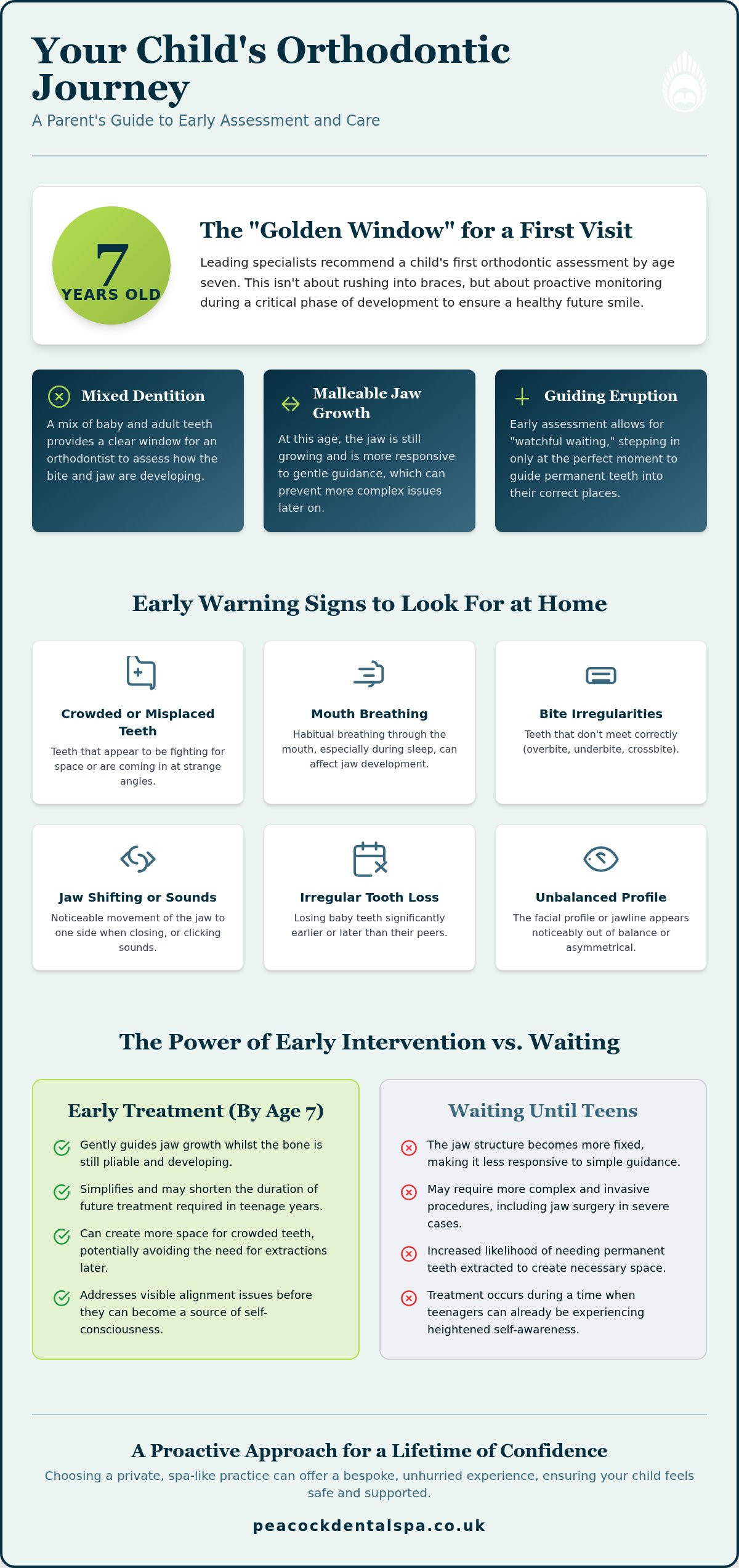
Many parents naturally assume that orthodontic care is a milestone reserved for the teenage years. However, the biological reality of dental development suggests a different path. When considering when should a child see an orthodontist, the age of seven stands out as a pivotal moment. At this stage, children possess a unique dental landscape consisting of a mix of baby teeth and newly emerged adult teeth. This transitional phase provides a clear window for us to assess how the mouth is shaping up. We refer to this as the “Golden Window” because the jaw is still growing and remains highly adaptable, offering a rare opportunity to influence development with a light touch. Similarly, for families who prioritise holistic physical health, The Chiropractic Centre offers paediatric care that focuses on supporting a child’s structural development during these same formative years.
It is completely understandable to feel a sense of hesitation, especially whilst worrying about lengthy NHS waiting lists or your child’s potential anxiety in a clinical setting. We believe that dental care should feel like a warm invitation rather than a stressful chore. In this guide, we will clarify the benefits of early intervention and the specific signs you can look for at home. You will also discover how choosing a private, spa-like practice in Loughborough can offer your family a bespoke, unhurried experience, ensuring your child feels safe and supported every step of the way.
By the age of seven, the first permanent molars usually make their appearance. These teeth are essential because they establish the “back bite,” providing a blueprint for how the upper and lower teeth will eventually fit together. The presence of the four front incisors at this age also allows us to detect early signs of crowding, overbites, or crossbites. To truly understand what is orthodontics in its most preventative form, one must look at how we manage these early milestones. Jaw growth is significantly easier to influence whilst the bone structure is still pliable and actively developing.
If families wait until the early teens, typically around age 12 or 13, the jaw structure has often become more fixed and less responsive to subtle guidance. Knowing when should a child see an orthodontist can make the difference between a simple, preventative correction and a more complex procedure later on. This delay might necessitate more invasive measures, such as the extraction of permanent teeth to create space that could have been preserved through earlier, gentler intervention. Beyond the clinical requirements, there is a significant emotional benefit to early care. Addressing visible alignment concerns before they become a source of anxiety can prevent the self-consciousness that often peaks during the teenage years. This proactive approach ensures your child moves into their secondary school years with a sense of quiet confidence and a healthy, functional smile.
As a parent, you are the most familiar with your child’s habits and the unique way they smile. Whilst some dental issues are quite obvious, others remain hidden beneath the surface, waiting for a specialist’s eye to uncover them. If you find yourself wondering when should a child see an orthodontist, it’s often best to trust your instincts. If something about their profile looks slightly unbalanced or their bite seems unusual during a meal, a professional assessment can offer the reassurance you need. We focus on both the aesthetic harmony of the smile and the functional health of the jaw, ensuring every child can eat, speak, and breathe with ease.
Early signs are frequently subtle. You might notice your child’s teeth don’t meet quite right, or perhaps there is a visible shift in their jaw when they close their mouth. Understanding what to expect with braces and early care can help demystify these observations, turning a point of concern into a clear plan for the future. If you have noticed any of these patterns, a gentle conversation at our Loughborough practice can provide the clarity your family deserves.
The timing of dental milestones can tell us a great deal about a child’s future alignment. If baby teeth are lost very early, perhaps due to decay or injury, the surrounding teeth may drift into the empty space, blocking the path for adult teeth. Conversely, baby teeth that linger too long can force permanent teeth to emerge at awkward angles. You should also watch for difficulty during mealtimes. If your child frequently bites their cheek or the roof of their mouth, it often suggests a misalignment that requires professional attention. Furthermore, teeth that protrude significantly are not just an aesthetic concern; they are statistically more prone to accidental trauma during sports or play.
Certain childhood habits can have a lasting impact on the architecture of the mouth. Thumb or finger sucking that continues past the age of five can begin to reshape the upper jaw, leading to an open bite or a narrowed arch. Another critical sign is persistent mouth breathing. This behaviour is often linked to a narrowed palate and can affect both jaw development and the quality of your child’s sleep. Speech impediments, such as a persistent lisp, may also be rooted in the physical positioning of the teeth or jaw. By identifying these functional issues early, we can often implement gentle, non-invasive solutions that support natural growth and development.
Phase 1 treatment, often referred to as interceptive orthodontics, is a proactive approach designed to create a harmonious environment for your child’s future adult teeth. Instead of waiting for alignment issues to fully manifest, we step in to guide development whilst the mouth is still remarkably adaptable. If you are considering when should a child see an orthodontist, this stage represents the most significant opportunity for preventative care. By addressing structural concerns early, we can often broaden a narrow arch to accommodate crowding, ensuring that permanent teeth have the space they need to emerge naturally.
Our approach utilises gentle appliances that work in harmony with your child’s natural growth spurts. This is not a forceful process. It is a subtle guidance of the jaw’s trajectory. The primary goal is to ensure that any future treatment, known as Phase 2, is significantly shorter and much less complex. By laying a solid foundation during these early years, we often eliminate the need for more invasive procedures or permanent tooth extractions during the teenage years.
Functional appliances play a vital role in correcting “crossbites,” a condition where the upper teeth sit inside the lower teeth. If left unaddressed, this can lead to asymmetrical jaw growth or uneven wear on the teeth. Palate expanders are another effective tool we use to create necessary space. Because the jawbone is still pliable at this age, these corrections are achieved with minimal discomfort. This allows the facial structure to develop with natural symmetry, supporting both a healthy bite and a confident profile.
Interceptive care is also about safeguarding long-term oral health. By managing space early, we significantly reduce the risk of impacted teeth, which are teeth that become stuck within the bone because there is no room for them to erupt. Properly aligned teeth are also far easier for a child to brush and floss effectively. This improves the health of the gums and reduces the risk of early decay. For families seeking modern, subtle options, straightening teeth discreetly with Invisalign can actually begin quite early with “Invisalign First.” This system is specifically designed for younger children, providing a comfortable and nearly invisible way to guide their developing smiles.
Choosing the right path for your child’s dental health can often feel like a heavy responsibility. In the UK, parents usually weigh the options between state-funded care and a private investment. If you are wondering when should a child see an orthodontist, timing is frequently the deciding factor. Whilst the NHS provides a vital service, the strict eligibility criteria and lengthening waitlists across Leicestershire can sometimes mean missing the optimal developmental window. Private care offers a swifter, more tailored alternative that prioritises your child’s comfort and long-term confidence from the very first visit.
We see private orthodontics as an investment in more than just straight teeth. It’s about providing a gentle, unhurried experience that respects your child’s emotional state. By choosing a private route, you ensure that treatment begins exactly when their biology is most receptive, rather than when a space finally opens up on a list.
The NHS uses the Index of Orthodontic Treatment Need (IOTN) to determine who receives funding for treatment. This five-grade system focuses primarily on dental health rather than aesthetics. Children with severe issues, classified as Grades 4 and 5, typically qualify for care. However, those with “moderate” irregularities, known as Grade 3, are often assessed on a case-by-case basis and may not be eligible for free treatment. These assessments usually take place when a child is 11 or 12 years old, which means the “Golden Window” for interceptive care has often passed. Additionally, the NHS typically offers traditional metal braces, which may not suit every child’s lifestyle or self-esteem.
Opting for private care in Loughborough allows your family to bypass the 12 to 24-month waiting lists often found within the public system. This immediacy is crucial for when should a child see an orthodontist to take advantage of natural growth spurts. Private patients also enjoy access to a wider suite of modern, discreet options. Invisalign® is a particularly popular choice for older children and teenagers who prefer a nearly invisible way to transform their smile. For families planning their finances, our Invisalign cost guide provides a clear, transparent overview of what to expect.
Beyond the technology, the environment of a private practice is designed to be soothing and restorative. Appointments are unhurried, allowing our team to build a genuine bond with your child. This hospitality-focused approach reduces the sensory overload often associated with clinical settings, turning a medical necessity into a positive journey. If you would like to discuss a bespoke plan for your family, we invite you to book a private orthodontic assessment at our welcoming Loughborough centre.
At Peacock Dental Spa, we believe that a child’s first step towards a healthier smile should be paved with calm and curiosity rather than apprehension. Our unique “Dental Spa” concept was born from a desire to completely transform how young patients perceive the dentist. Instead of a sterile, intimidating environment, our Loughborough centre offers a sanctuary of relaxation. This approach is particularly vital when deciding when should a child see an orthodontist, as these early experiences often shape a child’s lifelong attitude towards oral health. By prioritising sensory comfort and emotional safety, we ensure that every visit feels like a restorative experience rather than a clinical chore.
Mike and Katy lead our bespoke orthodontic consultations with a focus on genuine hospitality. We don’t believe in rushed appointments or one-size-fits-all solutions. Instead, we take the time to listen to both the child and the parent, understanding your specific hopes and hesitations. This unhurried pace allows us to build a foundation of trust, ensuring your child feels like a valued guest in our practice rather than just another patient on a schedule.
We understand that the sights and sounds of a traditional surgery can be overwhelming for little ones. To counter this, we use soft, non-clinical language and a gentle touch to build rapport. We have also invested in modern technology to eliminate the need for the “goopy” dental impressions that many children find unpleasant. For older children who may be particularly anxious about more complex work, we offer specialised sedation dentistry. This ensures that even the most nervous patients can receive the care they need in a state of complete tranquility, protecting their emotional well-being whilst we enhance their smile.
Your first step into our world begins with a thorough but unhurried orthodontic consultation. We carefully assess the development of the smile and jaw, but we also focus on the child behind the teeth. We involve parents at every stage, providing clear, jargon-free explanations so you feel empowered to make the best decisions for your family. Knowing when should a child see an orthodontist is far simpler when you have a dedicated guide to walk you through the process with patience and expertise. We invite you to join the Peacock family and experience a more compassionate, meticulous standard of care that puts your child’s confidence first.
Investing in your child’s future smile is one of the most rewarding decisions you can make as a parent. By understanding that age seven is the ideal time for an initial assessment, you’re choosing a path of prevention and gentle guidance. This “Golden Window” allows for the meticulous monitoring of jaw growth and the correction of subtle warning signs before they develop into more complex or invasive issues later in life.
Deciding when should a child see an orthodontist is about more than just clinical timing; it’s about finding a practice that values your child’s emotional comfort. At our award-winning private practice in Loughborough, we replace clinical stress with a luxury, spa-like environment. Mike and Katy create bespoke treatment plans tailored specifically to your child’s unique growth patterns, ensuring every step is as relaxing as it is effective.
Take the first step towards a healthy, confident smile today. We invite you to Book a Gentle Orthodontic Consultation for Your Child and experience a different, more compassionate kind of dental care. Your child’s journey to a beautiful smile starts with a warm welcome and a gentle touch.
Not every child who visits an orthodontist at age seven will require immediate treatment or braces. In many cases, the initial assessment is a proactive measure to monitor dental development and ensure adult teeth have sufficient space to emerge. If intervention is necessary, it’s often focused on guiding jaw growth rather than fitting full appliances. This early visit provides a baseline for future care, allowing us to step in only when required.
Phase 1 treatment is designed to be a relatively short and targeted intervention, typically lasting between six and twelve months. Because we’re working with your child’s natural growth spurts, the process is often more efficient than later treatments. Once this initial phase is complete, there’s usually a “resting period” where we monitor the remaining adult teeth as they erupt, ensuring the foundation is perfectly set for any future alignment needs.
Yes, many children are excellent candidates for Invisalign First, which is specifically designed for younger patients with a mix of baby and adult teeth. This system provides a discreet and comfortable alternative to traditional metal braces, allowing your child to maintain their normal brushing habits and favourite foods. During your consultation, we’ll determine if this clear aligner system is the most effective way to guide your child’s developing smile.
If you’ve missed the recommended age seven window, please don’t worry; it’s never too late to seek professional advice. Whilst early intervention can simplify future care, modern orthodontics offers effective solutions for children of all ages. However, as the jaw becomes more fixed in the early teens, certain growth guidance options may be less effective. We recommend booking an assessment as soon as possible to explore the best remaining path for your child’s development.
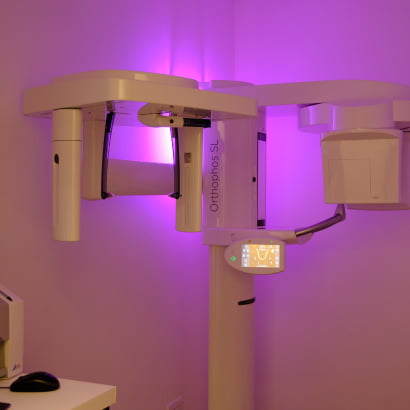
An initial orthodontic assessment is entirely non-invasive and should never be painful for your child. At our Loughborough centre, we prioritise a gentle touch and use non-clinical language to explain every step of the process. The visit usually involves a visual examination and perhaps some digital scans, which are much more comfortable than traditional impressions. Our goal is to create a positive, spa-like experience that builds trust and alleviates any lingering anxieties.
You don’t require a referral from your general dentist to visit us at Peacock Dental Spa. As a private practice, we offer direct access to our specialist care, allowing you to book an appointment at your convenience. This is especially useful when deciding when should a child see an orthodontist, as it allows you to avoid the lengthy waitlists often found elsewhere and ensures your child’s treatment begins promptly and at the optimal developmental moment.
Private orthodontic care is a bespoke investment that varies based on the complexity of your child’s needs. Whilst we don’t provide fixed costs before an assessment, we offer Dental Membership Plans to help families manage the foundation of their oral health. These plans often include regular check-ups and hygiene visits, which complement the more specialised investment needed for orthodontic treatments, ensuring your child’s smile remains healthy throughout their unique developmental journey.
The best way to prepare your child is to keep the conversation light, positive, and focused on the idea of a “smile check-up.” Avoid using words that might cause worry, such as “pain” or “needles,” and instead describe the orthodontist as a friendly guide who helps teeth find their perfect home. Remind them that they’ll be visiting a relaxing, spa-like environment where their comfort is our main priority, making the visit a calm adventure.

Book your appointment today and take the first step toward your perfect smile.
Book an appointment





Stay connected with Peacock Dental Spa for smile inspiration, tips, and the latest news.
Read more